
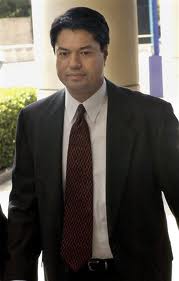
Did the DOJ Hide the Ball in the Olis Case?

This earlier post reported on how the full story about the Department of Justice’s sordid prosecution of former Dynegy executive Jamie Olis is finally starting to come out in connection with a civil trial earlier this year by Olis’ former attorney and Olis’ recent motion to set aside his conviction.

Now, Ellen Podgor reports that Olis’ new legal team has filed a motion that Olis be released from prison on bond pending the outcome of the motion to set aside his conviction, and the basis of the motion is that the DOJ failed to turnover to the Olis defense in violation of its obligation under U.S. v. Brady evidence regarding the DOJ’s frequent communications with Dynegy’s employees and attorneys during the prosecution of Olis. As Professor Podgor asks:

“What was the collective knowledge of the government here, and was the discovery properly provided to [Olis’] defense counsel prior to trial?”

This is getting very interesting.

The government and health care finance reform

Arnold%20Kling%20120407.jpgEconLog’s Arnold Kling is one of America’s best thinkers on economic issues relating to the U.S. health care finance system (previous posts here), so this recent TCS Daily op-ed is required reading for anyone interested in the proper role of government in a reformed health care finance system. In so doing, Kling summarizes well the current state of stress in the U.S. health care finance system:

All of our health care finance systems are under stress. The government system is completely unsound–the Titanic headed toward the iceberg of unfunded liabilities. Employer-provided health insurance is a questionable concept in theory that is unraveling in practice. The individual insurance market is a disaster, with something like 3/4 of all families who do not get insurance through work or government electing to remain uninsured.

Kling sums up his view of the proper role of governement in reforming the health care finance system in the following manner:

I believe that there are things that government can do to enhance access, improve quality, and lower the cost of health care. However, I believe that we would be best served by having government focus on the policies that I put into the “good” category–clinics in poor neighborhoods, vouchers, high-risk pools, and better information on the effectiveness of services and the performance of providers. If we look to government to take a larger role in running our health care system, then my prediction is that things will get ugly.

Dallas SWAT takes on the VFW poker game

DallasSWAT200x150.jpgPrevious posts here, here and here reported on the Dallas SWAT team’s dangerous and absurdly over-the-top campaign over the past year to terrorize participants in private poker games.
Now, Reason.TV has produced the video below with Drew Carey narrating about Dallas SWAT’s latest debacle — raiding a regular poker game at a local VFW Hall in Dallas. This is certificable proof that Dallas SWAT does not have enough work to stay busy. H/T Radley Balko.