
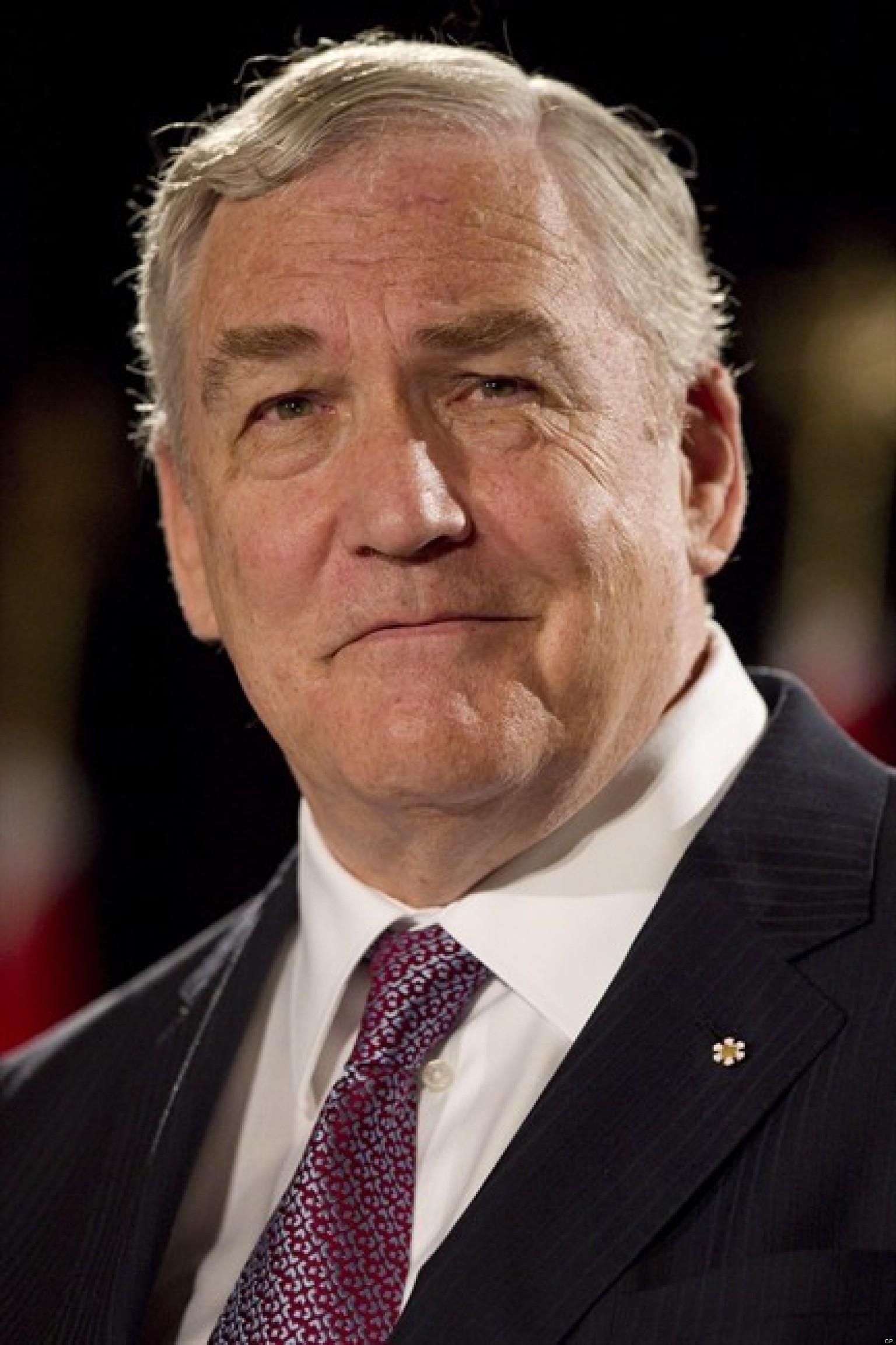
 David Radler, the key prosecution witness against former Hollinger International chairman and CEO Conrad Black, is currently testifying in the trial. Mark Steyn’s blog of the trial continues to be the “go to” site for keeping up with the proceedings.
In thinking about Radler’s testimony, it occurs to me that the criminal case against Black is quite similar to the notoriously misguided prosecution in the Nigerian Barge case (see also extensive discussion thread here) against four former Merrill Lynch executives in connection with the demise of Enron.
In the barge case, the prosecution contended that the Merrill Lynch executives had entered into a secret oral “side deal” with Enron CFO Andy Fastow that rendered illegal Enron’s accounting of the sale of a energy-producing barge interest to Merrill.
Among many other problems with the prosecution, the government’s theory ignored the undisputed fact that the written agreements between the parties contained standard provisions that rendered any such oral side agreements unenforceable and specifically provided that neither party in doing the deal was relying on oral representations of the other that were not contained in the written contract.
In Black’s trial, the prosecution essentially contends that Black and several of his associates stole $60 million in sales proceeds that should have gone to Hollinger International despite the fact it is undisputed that the Hollinger board of directors approved multiple documents in the ordinary course of their duties that disclosed the payment of $60 million in non-compete fees out of the sales proceeds to Black and his associates.
Moreover, in both cases, the government liberally appealed to jury bias against wealthy businessmen and relied on only one key witness (it was Ben Glisan in the barge trial) who cut a deal with the government in return for testimony against the defendants.
So, in both cases, the prosecution pursued criminal cases against wealthy businessmen regardless of undisputed documentary evidence that might well have formed the basis of a summary judgment for the defendants in a civil case involving the same allegations.
At the very least, the documentary evidence in both cases established reasonable doubt regarding the government’s allegation that a crime had occurred. Nevertheless, the prosecutions proceeded, stellar business careers were badly damaged, families who rely on these men were disrupted, four men have already been unjustly imprisoned for a year, and Conrad Black’s freedom hangs in the balance.
Do we really want the most powerful force in American society pursuing criminal cases in such a manner?

