
Health Care Myth Busters

mythbustersFollowing on this post from last fall, check out this Scientific American excerpt of the new book, Demand Better! Revive Our Broken Health Care System (Second River Healthcare Press, March 2011) by Sanjaya Kumar, chief medical officer at Quantros, and David B. Nash, dean of the Jefferson School of Population Health at Thomas Jefferson University:

Most of us are confident that the quality of our healthcare is the finest, the most technologically sophisticated and the most scientifically advanced in the world. And for good reason–thousands of clinical research studies are published every year that indicate such findings. Hospitals advertise the latest, most dazzling techniques to peer into the human body and perform amazing lifesaving surgeries with the aid of high-tech devices. There is no question that modern medical practices are remarkable, often effective and occasionally miraculous.

But there is a wrinkle in our confidence. We believe that the vast majority of what physicians do is backed by solid science. Their diagnostic and treatment decisions must reflect the latest and best research. Their clinical judgment must certainly be well beyond any reasonable doubt. To seriously question these assumptions would seem jaundiced and cynical.

But we must question them because these beliefs are based more on faith than on facts for at least three reasons, each of which we will explore in detail in this section. Only a fraction of what physicians do is based on solid evidence from Grade-A randomized, controlled trials; the rest is based instead on weak or no evidence and on subjective judgment. When scientific consensus exists on which clinical practices work effectively, physicians only sporadically follow that evidence correctly.

Medical decision-making itself is fraught with inherent subjectivity, some of it necessary and beneficial to patients, and some of it flawed and potentially dangerous. For these reasons, millions of Americans receive medications and treatments that have no proven clinical benefit, and millions fail to get care that is proven to be effective. Quality and safety suffer, and waste flourishes.

At first blush, this may seem shocking, but it really provides a great incentive for the consumer of health care services and products to be as fully informed as possible about various treatment alternatives.

The human body is an incredibly complex organism. That we can predict and control outcomes relating to such complexity in even a fraction of cases is a remarkable achievement.

The approach we need to take is to embrace that complexity and randomness, educate ourselves as best we can on the risks that certain behaviors and habits have in regard to affecting bad health outcomes, and then lead our lives in a way that deals with those risks in a manner that is acceptable to each individual.

However, the reality is that neither we – nor our doctors – control the outcome of many of our health care decisions. We can make choices based on the best available information. But life is still largely a roll of the dice.
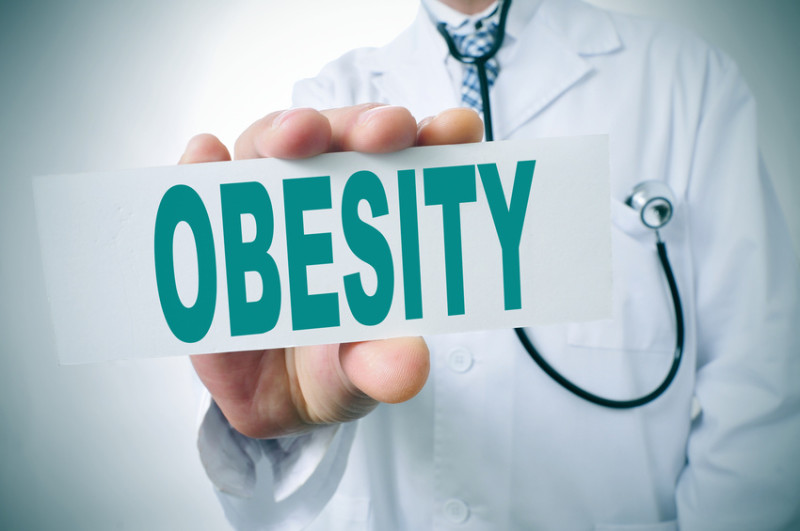
Rethinking Obesity

The stigma attached to obesity has been an accepted practice of American society for a long time.

Heck, even those who should know better often embrace the simplistic thinking that obesity is merely the result of an individual’s lack of willpower.

But research is increasingly revealing that the obesity stigma is misplaced and counterproductive. Michelle Berman, MD noted this awhile back in this post on KevinMD.com:

Did you know that some psychologists and psychiatrists would like to classify obesity as a brain disease?

The reason for this is that there is mounting evidence that food, or certain types of food, can trigger the same addictive effects in the brain as drugs like heroin and cocaine.

There is also substantial evidence that some people lose control over their food consumption and exhibit other behaviors (e.g. tolerance, withdrawal)  that may meet diagnostic criteria  .   .   . for substance dependence.

Arya Sharma, MD picks up on this line of thinking in this recent KevinMD.com post:

Recently, I attended a scientific symposium on addictions. One of the books I picked up at that conference  .   .   .  is A. J. Adams’ “Undrunk: A Skeptic’s Guide to AA”. [.  .  .] The definition [of alcoholism] reads as follows:

Alcoholism is a primary chronic disease with genetic, psycho-social and environmental factors influencing its development and manifestations. The disease is often progressive and fatal. It is characterized by continuous or periodic impaired control over drinking, preoccupation with the drug alcohol despite adverse consequences and distortions of thinking, mostly denial.

Let us look at this definition of alcoholism and see what aspects of it (if any) apply to obesity.No doubt, as readers of these pages know, obesity is most definitely a chronic condition, whose development and manifestations are influenced by genetic, psycho-social and environmental factors. In some cases obesity may be more genetic, in others more psycho-social and sometimes purely environmental, but certainly, obesity would fit the bill as far as this statement goes.And yes, obesity is often progressive and fatal. [.   .  .]This may not seem as obvious as in the case of the alcoholic who dies of liver cirrhosis or totals his car (and himself) whilst DIU, but when you start looking at the many ways in which obesity can kill you, from heart attacks to cancer, there is no doubt that obesity is fatal (often after ruining most of your life first – another similarity to alcoholism).

Clear Thinkers favorite Art De Vany does an excellent job of explaining the physiological underpinnings of overeating in his recent book, The New Evolution Diet: What Our Paleolithic Ancestors Can Teach Us About Weight Loss, Fitness and Aging (Rodale 2010). The following oversimplifies De Vany’s explanation, so definitely read the book if you are interested in this subject.

But the essence of De Vany’s point is that the brain needs glucose – generally supplied by carbohydrates or body fat – in order to live and thrive. Thus, the brain signals that it needs more glucose, which triggers our desire to eat carbohydrate or for the body to use body fat to fulfill that need. The body (specifically the pancreas) generates insulin to absorb the ingested glucose into the bloodstream.

So far, so good. However, DeVany explains that most people who become obese fall into a sort of negative feedback loop in which they become insulin and leptin insensitive (leptin is a hormone that signals to the brain that hunger has been satisfied).

This is bad for a variety of reasons (inflammation on a cellular level, etc), but it is particularly damaging in regard to obesity – the body ends up generating excess insulin, which it stores as fat, and the brain becomes desensitized to leptin, which makes it much more difficult to satiate hunger.

Thus, insulin and leptin insensitivity cause a negative feedback loop in which the consumer becomes conditioned to being continually hungry (the brain is constantly hungry and signaling that it needs glucose), the consumer eats high-calorie, processed (and readily available) carbohydrate to fulfill that hunger, the body produces more insulin that it needs to absorb the glucose, the body stores the excess insulin as fat, the body rarely uses body fat to fuel the brain, and then the process starts all over again, partly because of the consumer’s increasingly insulin and leptin insensitive nature.

In short, willpower really doesn’t have that much to do with it. Physiological impulses do.

Stated simply, it’s hard to lose weight if you are always hungry.

As De Vany explains in his book, the solution to this obesity syndrome is to become insulin and leptin sensitive – and, thus, fat adaptive – through eating lean meats, vegetables and fruits and avoiding calorie-laden processed foods, as well as exercise and recreation that promote maintenance of lean body mass. Toss in some intermittent fasting (12-16 hours of no food, most of which occurs during sleep) a few times a week to help control cellular inflammation and you have the blueprint for a healthy lifestyle.

However, the more important message that DeVany delivers is that the social stigma attached to obesity is inhumane and counterproductive. That stigma drives obese people to “quick fixes” such as fad diets and excessive exercise routines, both of which rarely result in sustained weight loss.

Rather, the key to overcoming the compulsion toward high caloric food is to educate the consumer to understand the physiological underpinnings that drive the consumer’s compulsion and then to address those physiological issues.

In short, less stigma and better education equals less obesity and better health.

Sounds like a good trade to me.

The wisest health care finance investment

healthcare-reform2009-06-18-1245364138Three articles caught my eye recently regarding America’s health care dilemma.

This LA Times article reports on the declining quality of the end-of-life period of many Americans:

Life expectancy soared over the last part of the 20th century as treatments for major diseases improved and infectious diseases were quelled by vaccines and better treatment. The most recent data, however, hint that life expectancy is no longer growing. According to a new study, we may spend more years sick than we did even a decade ago. [.  .  .]

According to the analysis, the average age of morbidity – which is defined as the period of life spent with serious illness and lack of functional mobility – has increased in the last two decades. For example, a 20-year-old man in 1998 could be expected to live an additional 45 years without at least one of these diseases: heart disease, cancer or diabetes. That number fell to 43.8 in 2006. For women, the expected years of life without a serious disease fell from 49.2 years to 48 years over the last decade. [.  .  .]

"There is substantial evidence that we have done little to date to eliminate or delay disease or the physiological changes that are linked to age," the authors wrote.

Meanwhile, a part of that problem is the result of the fact that many Americans have no idea what – or how much – they are eating:

Nearly 90% of respondents to a Consumer Reports telephone survey thought they were eating right — saying that their diet was either somewhat (52.6%), very (31.5%), or extremely healthy (5.6%).

But when they were asked about what they actually eat, far fewer seemed to be in following a healthy diet.

For instance, of the 1,234 people surveyed, only 30% said they eat five servings of fruit and vegetables every day, just 13% step on the scale every morning, and a meager 8% monitor their daily calorie intake. [.  .  .]

bout a third of those who said they were a healthy weight actually had a body mass index (BMI) in the overweight or obese range (30% and 3%, respectively).

"It’s likely that Americans are thinking about health more, and that’s a good thing," said Keith Ayoob, EdD, RD, of Albert Einstein College of Medicine. "Still, nine out of 10 think they’re doing pretty well, and to that, I’d say let’s talk again."

So, asks this Dana P. Goldman/Darius N. Lakdawalla article, what would be the best investment to generate significant improvement in the health of Americans?:

The first step is to invest–not in the healthcare system, but in education. We should take the $120 billion it might cost for universal coverage, and use it, instead, to provider earlier education and to improve the quality of education. Better-educated people live longer, are less likely to be disabled, and engage in healthier behavior.

For nearly 40 years, distinguished health economists led by Michael Grossman have observed that more-educated people have much more powerful incentives to protect their own ‘investments’ in education by practicing healthier habits and reducing their risks of death. They also are better at self-managing chronic diseases. And, unlike universal coverage, more education has other valuable benefits to a person and to society. Less crime, less divorce, and higher earnings–can universal health insurance promise that?

The second place to invest is prevention. Primary prevention has the capacity to slow or reduce the rising prevalence of chronic disease, and simultaneously attenuate the downstream spending that is associated with it. Equally importantly, however, prevention leads to a life with less disability and more years of an active lifestyle. It simply makes a lot of sense to avoid disease in the first place, rather than try to treat it later.

Deepwater Horizon and the Gulf

Deepwater HorizonDon’t miss a couple of interesting articles from this past weekend regarding the Deepwater Horizon blowout in the Gulf of Mexico this past April.

First, this thorough NY Times article (and accompanying slideshow) focuses on the destruction of the Horizon rig, which was a distinct from the blowout itself:

It has been eight months since the Macondo well erupted below the Deepwater Horizon, creating one of the worst environmental catastrophes in United States history. With government inquiries under way and billions of dollars in environmental fines at stake, most of the attention has focused on what caused the blowout. Investigators have dissected BP’s well design and Halliburton’s cementing work, uncovering problem after problem.

But this was a disaster with two distinct parts – first a blowout, then the destruction of the Horizon. The second part, which killed 11 people and injured dozens, has escaped intense scrutiny, as if it were an inevitable casualty of the blowout.

It was not.

Nearly 400 feet long, the Horizon had formidable and redundant defenses against even the worst blowout. It was equipped to divert surging oil and gas safely away from the rig. It had devices to quickly seal off a well blowout or to break free from it. It had systems to prevent gas from exploding and sophisticated alarms that would quickly warn the crew at the slightest trace of gas. The crew itself routinely practiced responding to alarms, fires and blowouts, and it was blessed with experienced leaders who clearly cared about safety.

On paper, experts and investigators agree, the Deepwater Horizon should have weathered this blowout.

This is the story of how and why it didn’t.

Meanwhile, this Robert Nelson/Weekly Standard article points out that it now is becoming apparent that the Gulf of Mexico suffered remarkably little damage from the oil spill that resulted from the blowout:

Oddly enough, however, the ecosystem of the Gulf itself turns out to have suffered remarkably little damage from the continuous gushing of oil into the water from April 20 till July 15, when the leaking well was capped. One group of scientists rated the health of the Gulf’s ecology at 71 on a scale of 100 before the spill and 65 in October. By mid-August, the National Oceanic and Atmospheric Administration (NOAA) was having trouble finding spilled oil. This squared with the finding of researchers from the Lawrence Berkeley National Laboratory in California that the half-life of much of the leaking oil was about three days. At that rate, more than 90 percent would have disappeared in 12 days.

NOAA explained one reason for this in a report in August: “It is well known that bacteria that break down the dispersed and weathered surface oil are abundant in the Gulf of Mexico in large part because of the warm water, the favorable nutrient and oxygen levels, and the fact that oil regularly enters the Gulf of Mexico through natural seeps.” In other words, the organisms that normally live off the Gulf’s large natural seepage of oil into the water multiplied extremely rapidly and went on a feeding frenzy. Another 25 percent of the spilled oil-the lightest and most toxic part-simply evaporated at the surface or dissolved quickly.

Damage to wildlife, too, was relatively sparse. As of November 2, the U.S. Fish and Wildlife Service reported that 2,263 oil-soiled bird remains had been collected in the Gulf, far fewer than the 225,000 birds killed by the Exxon Valdez spill in Alaska in 1989. Despite fears for turtles, only 18 dead oil-soiled turtles had been found. No other reptile deaths were recorded.

While more than 1,000 sea otters alone had died in the Alaska spill, only 4 oil-soiled mammals (including dolphins) had been found dead in the Gulf region. These are very small numbers relative to the base populations. Similarly, government agencies were unable to find any evidence of dead fish. Fish can simply swim away from trouble. Nor was evidence found of contamination of live fish. In one government test, 2,768 chemical analyses uncovered no signs of contamination.

In the latest irony, marine biologists this fall have actually been seeing surprising increases in some fish populations. It seems that the closure of large areas of the Gulf to fishing amounted to an unplanned experiment in fisheries management. According to Sean Powers, a University of South Alabama marine biologist, “It’s just been amazing how many more sharks we are seeing this year. I didn’t believe it at first.” He attributed the change to the “incredible reduction in fishing pressure,” and added, “What’s interesting to me [is that] we are seeing it across the whole range, from the shrimp and small croaker all the way up to the large sharks.”

Callaway vs. Lamborghini

H/T Geoff Shackelford

Art DeVany on The New Evolution Diet

Clear Thinkers favorite Art DeVany (previous posts here) is preparing for the release of his new book, The New Evolution Diet: What Our Paleolithic Ancestors Can Teach Us About Weight Loss, Fitness and Aging (Rodale Dec. 21, 2010), so he presents his basic ideas on nutrition and exercise in the trailer for the book below. Russ Roberts’ longer audio interview of DeVany from earlier this year can be listened to here and Patrick Kiger provides an excellent overview of DeVany’s ideas on nutrition and exercise here.

Jetting through the Grand Canyon

Grand Canyon.jpgCheck out this cool video.

Lies, Damned Lies and Medical Science

Medical-Research It’s hard to beat that title of this interesting David H. Freedman/The Atlantic article (H/T John Goodman) about medical researcher, John Ioannidis, who has made a name for himself establishing that most medical information that physicians commonly rely upon is largely flawed:

.  .  . can any medical-research studies be trusted?

That question has been central to Ioannidis’s career. He’s what’s known as a meta-researcher, and he’s become one of the world’s foremost experts on the credibility of medical research. He and his team have shown, again and again, and in many different ways, that much of what biomedical researchers conclude in published studies-conclusions that doctors keep in mind when they prescribe antibiotics or blood-pressure medication, or when they advise us to consume more fiber or less meat, or when they recommend surgery for heart disease or back pain-is misleading, exaggerated, and often flat-out wrong. He charges that as much as 90 percent of the published medical information that doctors rely on is flawed.

His work has been widely accepted by the medical community; it has been published in the field’s top journals, where it is heavily cited; and he is a big draw at conferences. Given this exposure, and the fact that his work broadly targets everyone else’s work in medicine, as well as everything that physicians do and all the health advice we get, Ioannidis may be one of the most influential scientists alive. Yet for all his influence, he worries that the field of medical research is so pervasively flawed, and so riddled with conflicts of interest, that it might be chronically resistant to change-or even to publicly admitting that there’s a problem. [.  .  .]

We could solve much of the wrongness problem, Ioannidis says, if the world simply stopped expecting scientists to be right. That’s because being wrong in science is fine, and even necessary-as long as scientists recognize that they blew it, report their mistake openly instead of disguising it as a success, and then move on to the next thing, until they come up with the very occasional genuine breakthrough. But as long as careers remain contingent on producing a stream of research that’s dressed up to seem more right than it is, scientists will keep delivering exactly that.

“Science is a noble endeavor, but it’s also a low-yield endeavor,” he says. “I’m not sure that more than a very small percentage of medical research is ever likely to lead to major improvements in clinical outcomes and quality of life. We should be very comfortable with that fact.”

DeVany’s Top Ten Reasons Not to Run Marathons

marathon runner The Chicago Marathon was over this past weekend, which resulted in the typical dozens of hospitalizations of participants.

That reminds me to pass along health and nutrition expert Art DeVany’s top 10 reasons not to run marathons (here is a previous post on the risks of long-distance running). Art’s summary of each reason is below, but you will have to subscribe to Art’s insightful site on fitness, health, aging nuturion and exercise to read Art’s elaboration on each reason:

10. Marathon running damages the liver and gall bladder and alters biochemical markers adversely. HDL is lowered, LDL is increased, Red blood cell counts and white blood cell counts fall. The liver is damaged and gall bladder function is decreased. Testosterone decreases.

9. Marathon running causes acute and severe muscle damage. Repetitive injury causes infiltration of collagen (connective tissue) into muscle fibers.

8. Marathon running induces kidney disfunction (renal abnormalities).

7. Marathon running causes acute microthrombosis in the vascular system.

6. Marathon running elevates markers of cancer. S100beta is one of these markers. Tumor necrosis factor, TNF-alpha, is another.

5. Marathon running damages your brain. The damage resembles acute brain trauma. Marathon runners have elevated S100beta, a marker of brain damage and blood brain barrier dysfunction. There is S100beta again, a marker of cancer and of brain damage.

4. Marathons damage your heart. From Whyte, et al Med Sci Sports Exerc, 2001 May, 33 (5) 850-1, “Echocardiographic studies report cardiac dysfunction following ultra-endurance exercise in trained individuals. Ironman and half-Ironman competition resulted in reversible abnormalities in resting left ventricular diastolic and systolic function. Results suggest that myocardial damage may be, in part, responsible for cardiac dysfunction, although the mechanisms responsible for this cardiac damage remain to be fully elucidated.”

3. Endurance athletes have more spine degeneration.

The number two reason not to run marathons:

2. At least four particiants of the Boston Marathon have died of brain cancer in the past 10 years. Purely anecdotal, but consistent with the elevated S100beta counts and TKN-alpha measures. Perhaps also connected to the microthrombi of the endothelium found in marathoners.

And now ladies and gentlemen the number one reason not to run marathons:

1. The first marathon runner, Phidippides, collapsed and died at the finish of his race. [Jaworski, Curr Sports Med Rep. 1005 June; 4 (3), 137-43.]

Now there is a recommendation for a healthy activity. The original participant died in the event. But, this is not quite so unusual; many of the running and nutritional gurus of the past decade or two died rather young. Pritikin, Sheehy, Fixx, and Atkins, among many other originators of “healthy” practices died at comparatively young ages. Jack LaLanne, the only well-known guru to advocate body building, will outlive us all.